



Green Turtle 3D Model Animation
It is a relatively large sea turtle belonging to the family Turtles. Widely distributed in tropical and subtropical seas worldwide. The name comes from the color of its fat layer, not its outer shell, which is usually olive or brown, while the fat layer is green. It is a herbivorous animal that mainly feeds on seagrass, and sometimes also consumes aquatic plants and algae. Known for its long-distance migration, it swims from foraging grounds to breeding grounds, sometimes covering distances of thousands of kilometers. The breeding cycle usually takes place at night, and females dig holes on the beach to lay eggs, then cover and leave, allowing the heat of the sun to naturally hatch.

Turtle (cub) 3D model animation
It is a larger species in the family Turtles. Widely distributed in warm waters around the world, it mainly feeds on seagrass and seaweed, and occasionally consumes jellyfish and mollusks. The shell is elliptical in shape, with colors ranging from olive green to dark brown. The scales on the shell are arranged neatly, providing excellent protection. The lifespan is relatively long, generally reaching around 80 years old. The breeding season usually occurs in summer, and females return to their place of birth to lay eggs, with each egg laying up to a hundred or more. Due to overfishing and habitat destruction, green sea turtles are currently listed as endangered species and require more protection measures.

Turtle shell
Sea turtles are a collective term for marine turtles in the order Turtles, family Turtles, and family Turtles. Body length 0.75-2 meters, weight 45-1000 kilograms. Distributed in the South Pacific and Indian Ocean. In China, it is distributed from Shandong coast in the north to Guangdong coastal provinces, Taiwan, Hainan and other provinces in the south, especially the South China Sea Islands. Most of them live in shallow coastal waters, bays, coral reefs, and estuaries that flow into the sea. Feed on macroalgae, cephalopods, crustaceans, and fish and shrimp. They are one of the oldest animals in the world, appearing on Earth more than 200 million years ago, so archaeologists consider them as "living fossils".

Popular Models
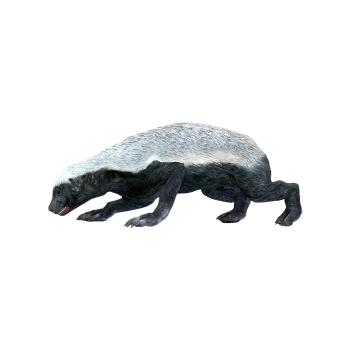
Honey Badger (3D animated model)
192 View
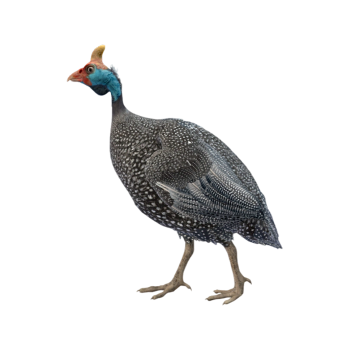
Guinea fowl (3D animated model)
163 View
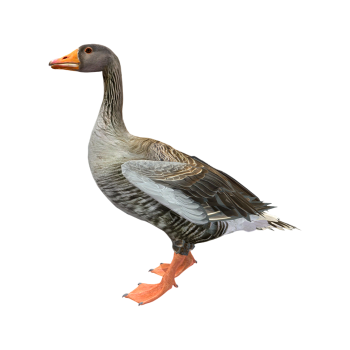
Wild Goose (3D animated model)
185 View
Red Fox (3D animated model)
153 View
Random Model

Polish church religious relics
748 View

Arab Antique Aden Dagger
726 View

Lotus 49C Formula One racing car
1144 View

St. Petersburg Mariinsky Theatre
817 View




Pomegranate 3D model
834 View
